- Beliefs
-
Muslim Practices
- Salah (Daily Prayers)
- Sawm (Fasting)
- Hajj (Pilgramage to Makkah)
- Zakah (Charity Giving)
- Khums (Giving One-Fifth of Annual Saving)
- Jihad (Striving in the Way of God)
- Amr bil Ma'ruf (Encouraging Good)
- Nahy 'an al-Munkar (Stopping Evil)
- Tawalla (Loving the Prophet & His Family)
- Tabarra (Disassociating from the Enemies of the Prophet and His Family)
- Islamic Education
-
Akhlaq - (Ethics)
-
Quran & Sciences
-
Islamic History
-
Socio-Cultural
- Islamic Holy Places
-
Supplications
- Home
- Feature Selections ★
- Beliefs 🛐
-
Muslim Practices ☪️
- Salah (Daily Prayers)
- Sawm (Fasting)
- Hajj (Pilgramage to Makkah)
- Zakah (Charity Giving)
- Khums (Giving One-Fifth of Annual Saving)
- Jihad (Striving in the Way of God)
- Amr bil Ma'ruf (Encouraging Good)
- Nahy 'an al-Munkar (Stopping Evil)
- Tawalla (Loving the Prophet & His Family)
- Tabarra (Disassociating from the Enemies of the Prophet and His Family)
- Islamic Education
-
Akhlaq - Ethics 🔑
- Quran and Sciences 📖
-
Islamic History
- Socio-Cultural
- Islamic Holy Places
- eBooks
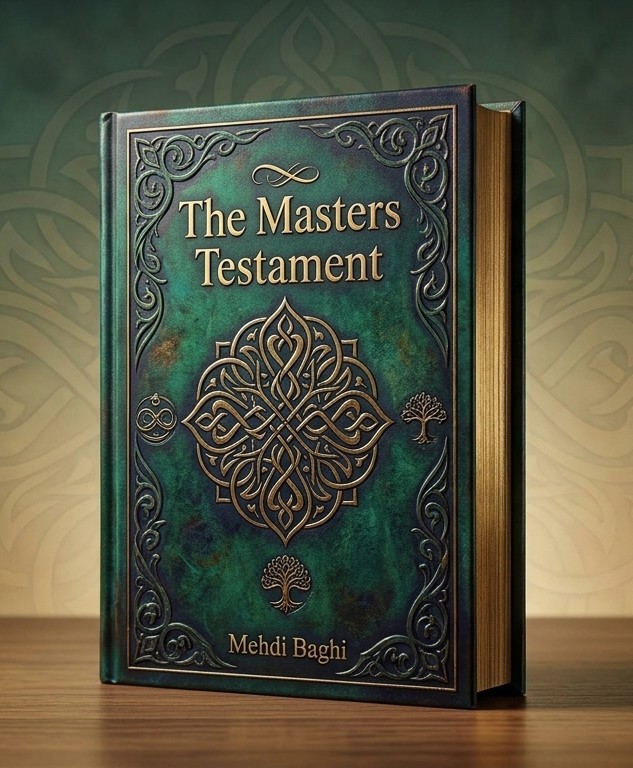
- The Master Testament
The Master Testament
The eminent Master, the late ‘Allāmah ‘Alī
Aṣghar Karbāschiyān (May his soul rest in peace)
was born in 1914 in Tehran. He developed an
interest in educating young adults in his days of
youth, an interest encouraged by erudite scholars,
particularly the late Sayyid Riḍā Darbandī and the
Grand Ayatollah Burūjirdī.
Having completed his seminary education in
Tehran and Qum and having attained the status
of ijtihād,1 he left Qum for Tehran in 1955, aspiring
to establish a school to serve as a model for other
staff members of educational institutions. Thus,
he discussed the issue with his old friend, the late
Ḥājj Muqaddas, a pious sermonist of Tehran, and
benefited from his support. Then, he appointed
the late Riḍā Rūzbih, a prominent scholar and a
paragon of moral virtues, as the principal of the
newly founded ‘Alawī School.